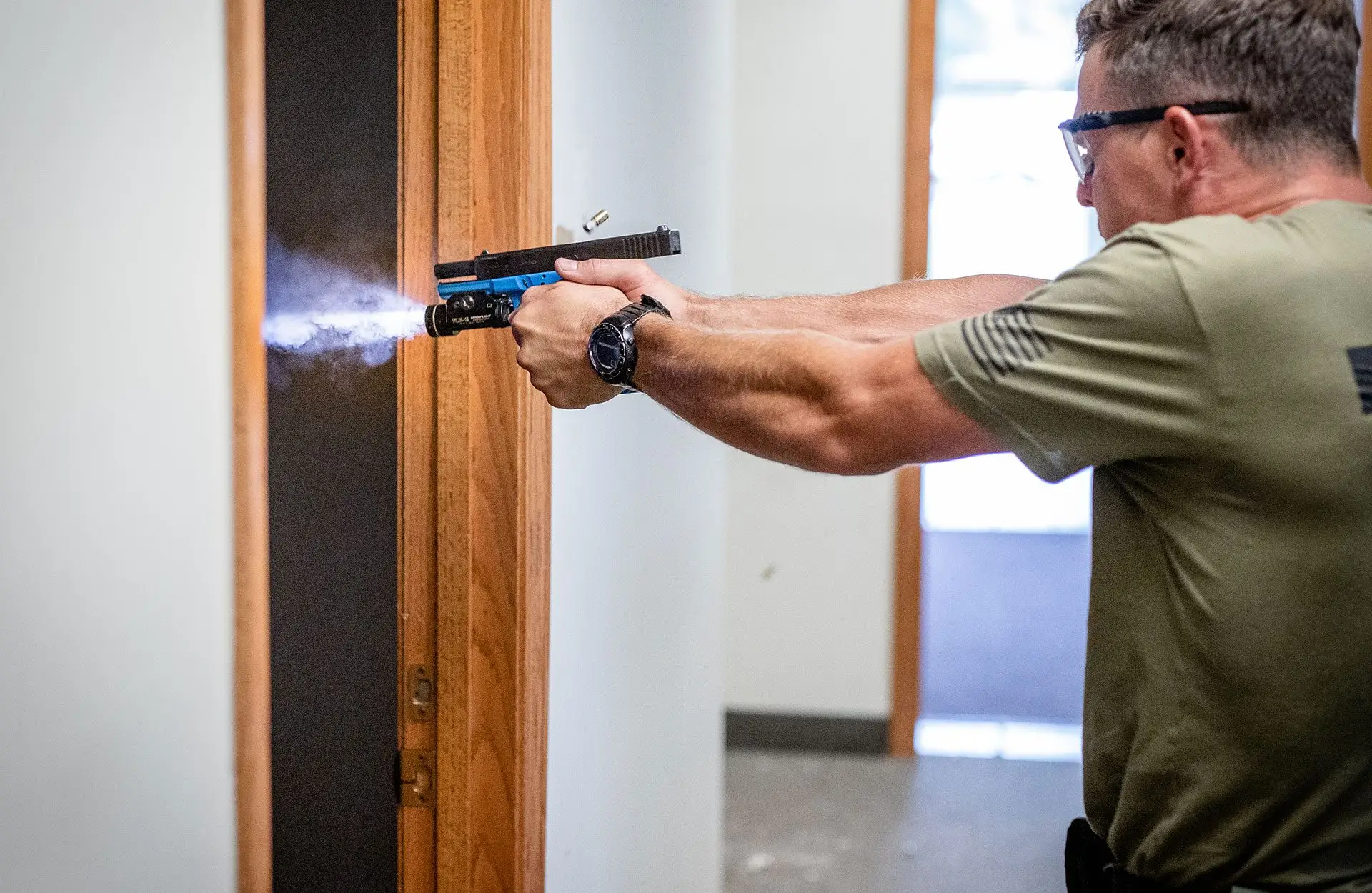
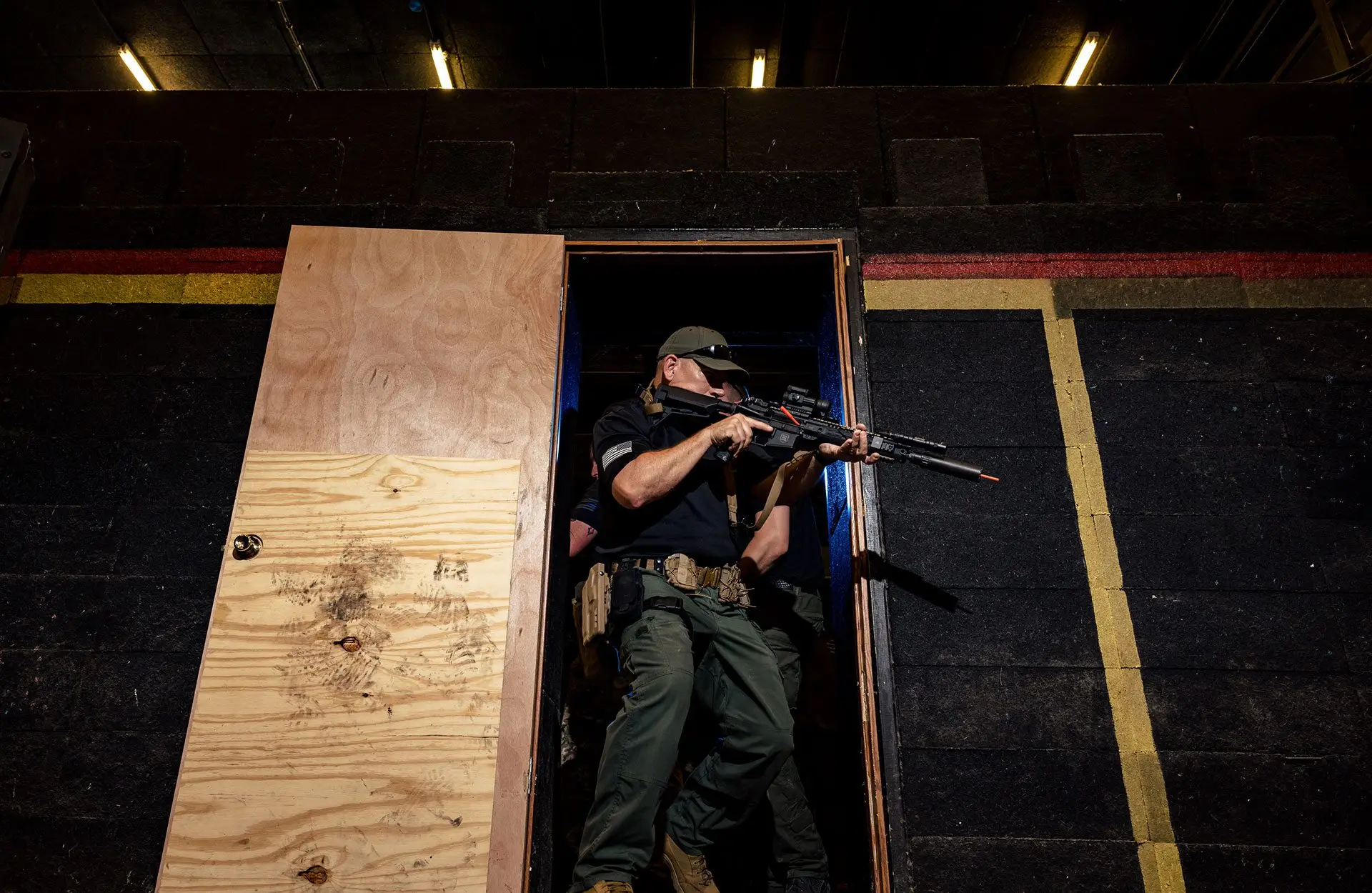
High Threat CQC Instructor Training
This flagship High Threat CQC program is built on over 20 years of real-world application, not theory. It provides instructor certification through a system grounded in reality, behavior, tactics, and training—validated through continuous operational use.
This methodology has trained thousands of professionals nationwide and is recognized as a preferred standard across state academies, law enforcement agencies, and SWAT teams.

Training Overview
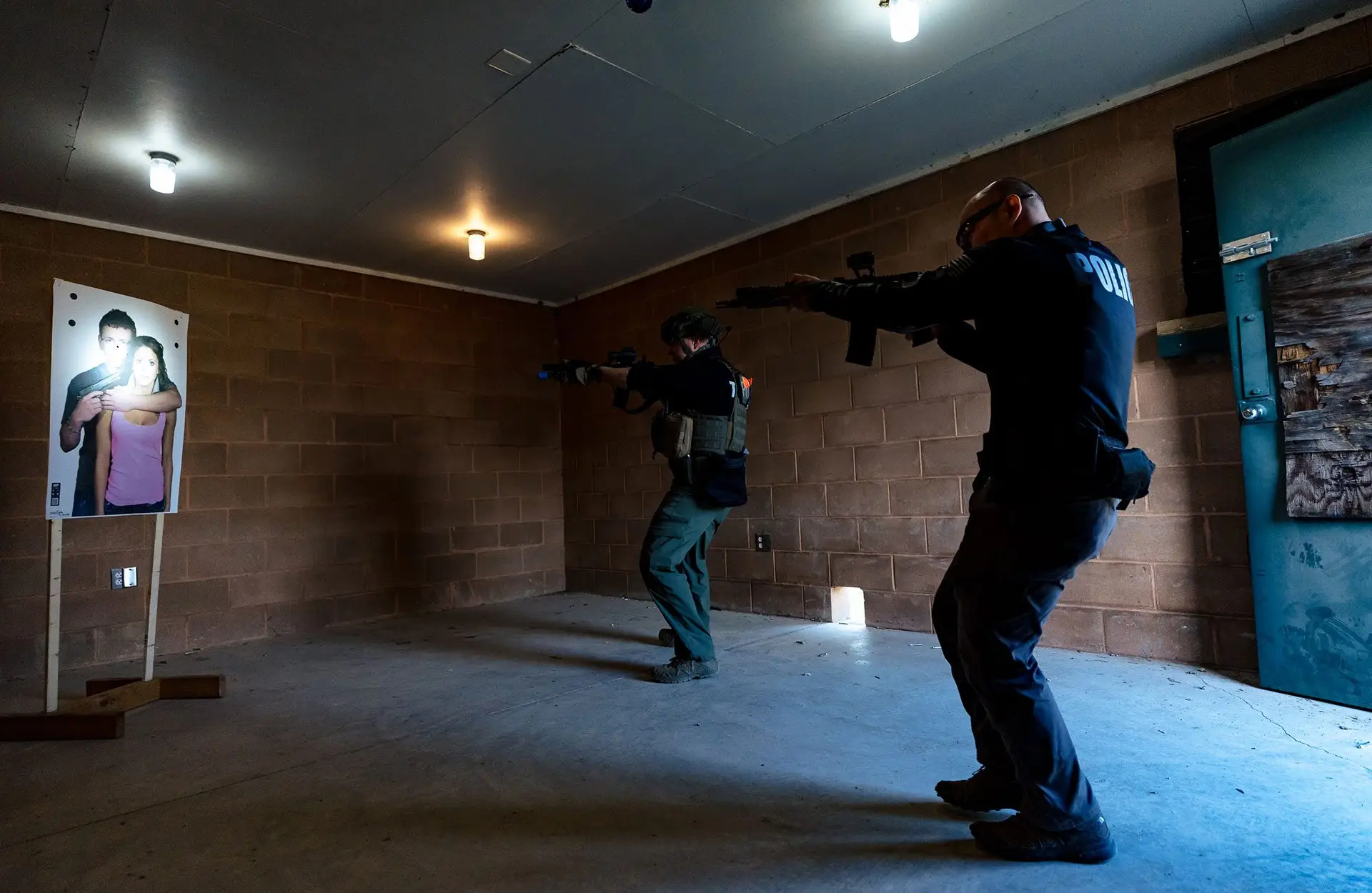
This 4-day High Threat CQC Instructor Training program follows a true adult learning model, progressing participants from foundational understanding to application, instruction, and performance under stress. The system is built on flexible principles that support structure clearing, and rapid transition to rescue-speed missions as conditions dictate.
This course focuses on contact management, immediate action, and reality-based behavioral conditioning—preparing participants to respond effectively in high-threat, rapidly evolving environments. Participants learn to apply aggressive limited penetration tactics, solve problems from positions of advantage, and adapt to real-world conditions.
Throughout the course, emphasis is placed not only on performance, but on developing the ability to effectively teach, lead, and implement the system within their own units.
Why High Threat CQC Principles Matter
High Threat principles matter because real-world encounters are fast, unpredictable, and shaped by human behavior under stress—not controlled conditions or rigid tactics.
A key distinction is how contact is managed in close-quarter environments, which differs significantly from traditional CQB approaches. Understanding this difference is critical to applying the system effectively in real-world operations. Close Quarter Contacts vs CQB Police Training
In these environments, success depends on the ability to make rapid decisions, manage contact effectively, and take immediate action from positions of advantage. A system built on flexible, behaviorally grounded principles allows officers to adapt to changing threats, transition between deliberate clearing and rescue-speed operations, and maintain control in confined, high-risk spaces. Without this foundation, training becomes static and disconnected from reality, increasing risk to both operators and those they are responsible for protecting.
Core Training Topics
Required Equipment
- High Threat Principles and Behavioral Conditioning
- Contact Management and Immediate Action Response
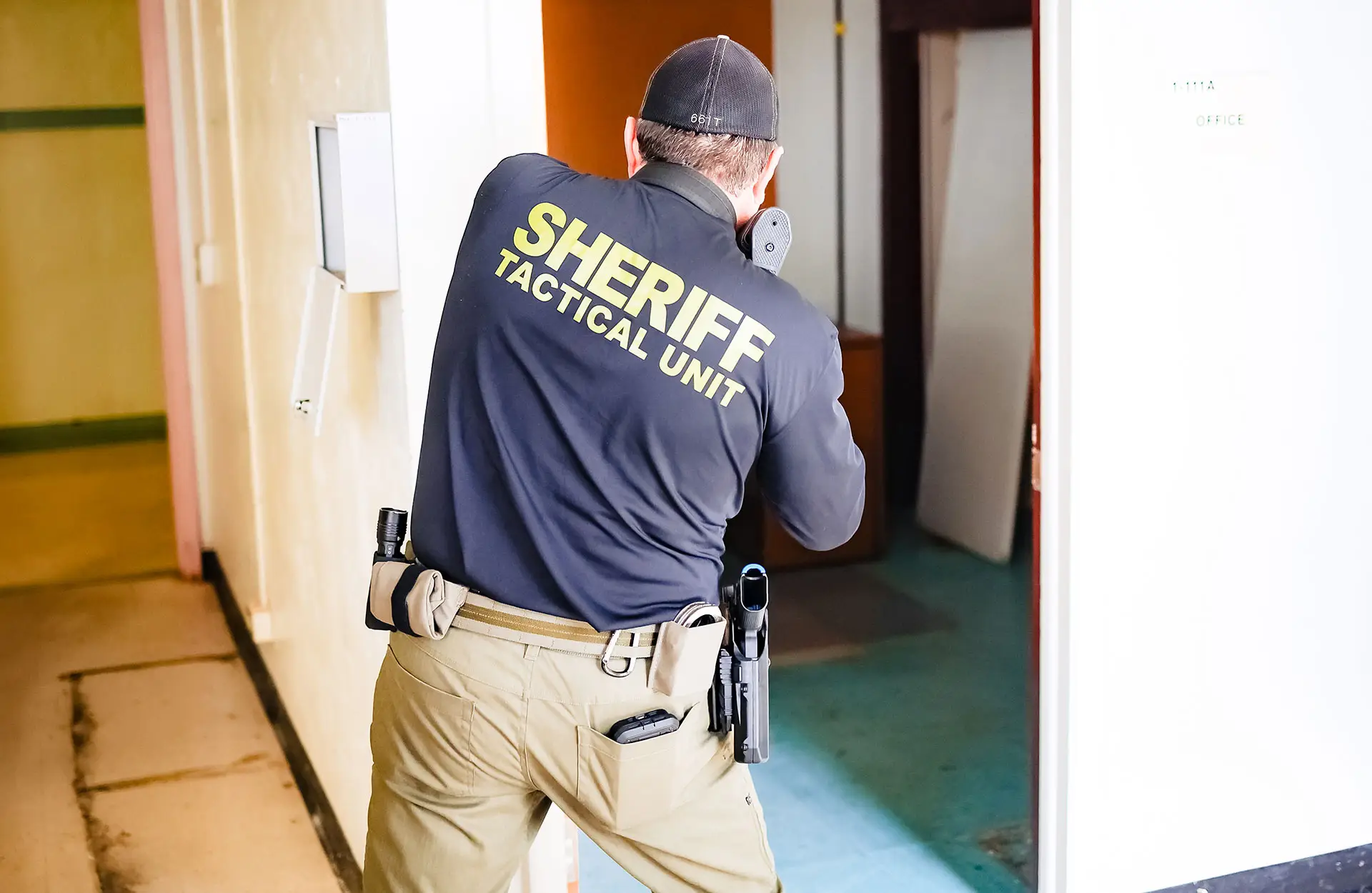
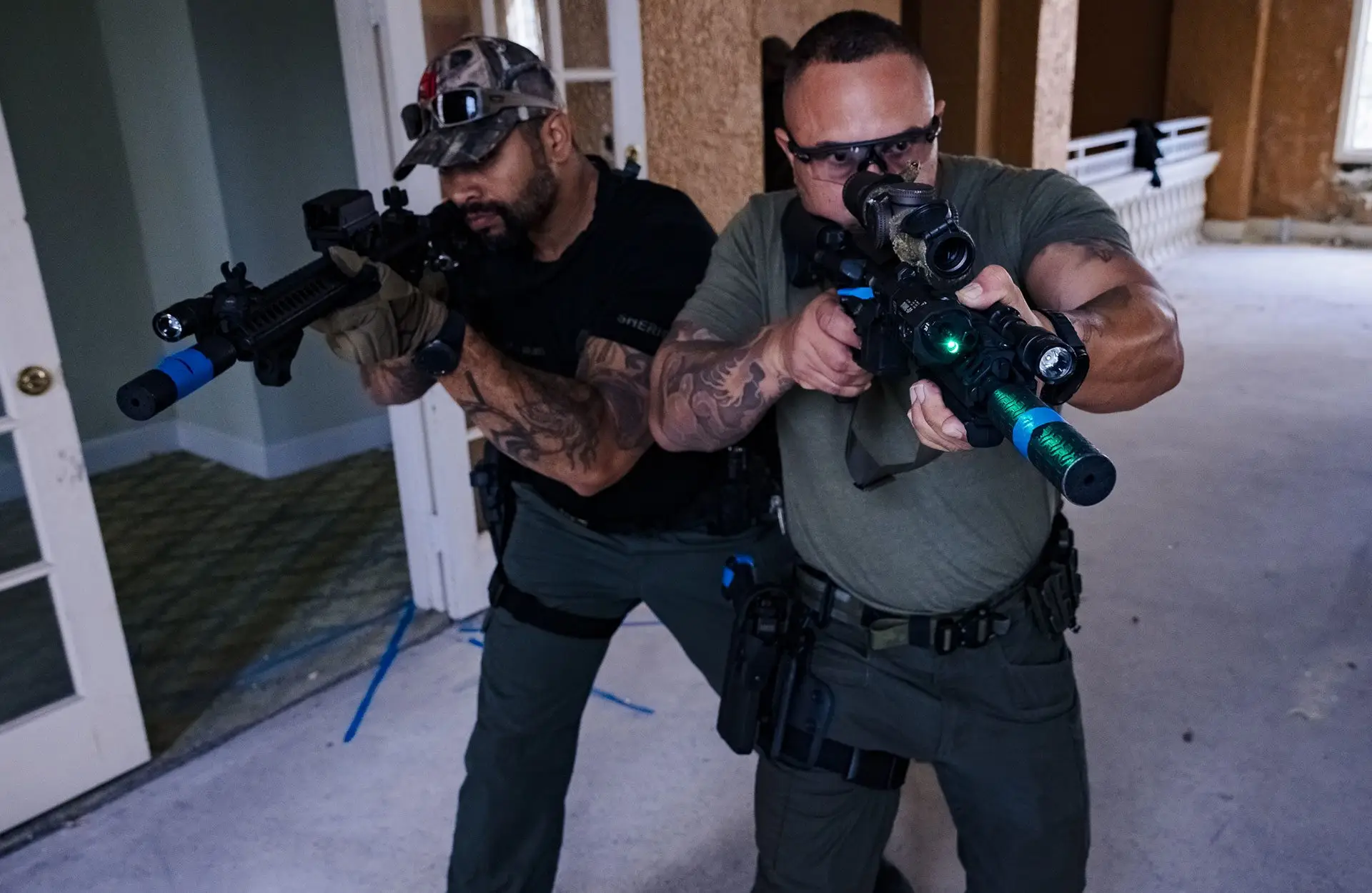
- Limited Penetration Room Clearing Tactics
- OODA Loop Disruption and Decision-Making Under Stress
- Integration of less-lethal systems and de-esclation
- Friendly Fire Avoidance and Earning the Shot
- Instructor Development: Teaching, Demonstration, and Coaching Methods
- How to manage FOF Scenerios
- Standard Patrol Gear: Duty Belt
- Pistol/Rifle with chamber blocker
- 100 Rifle, 100 handgun NTLA/SIMs or airsoft
- Eye Pro, Long Sleeves, Gloves, Hearing protection
- PPE Gear: head, neck, groining
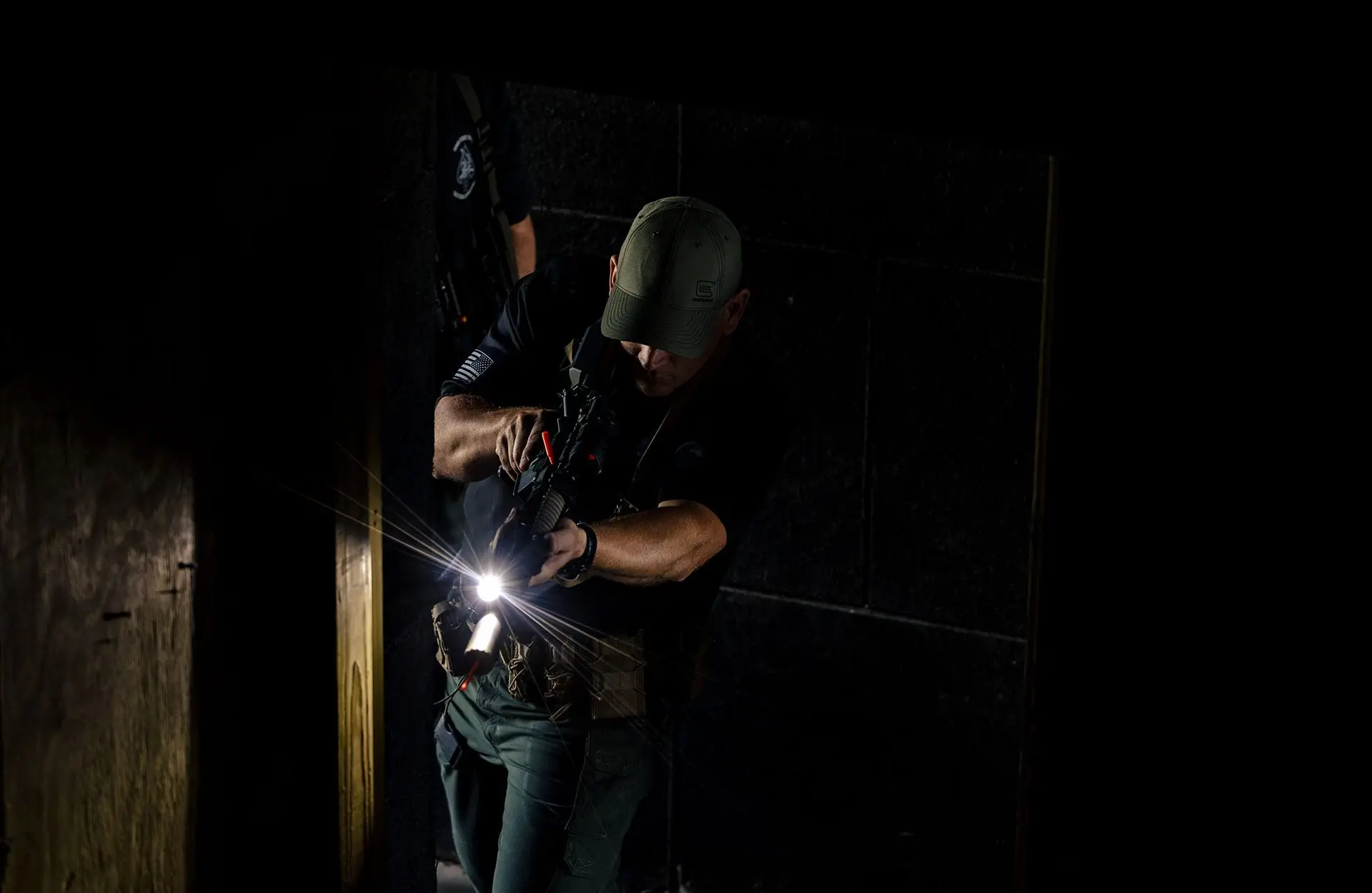
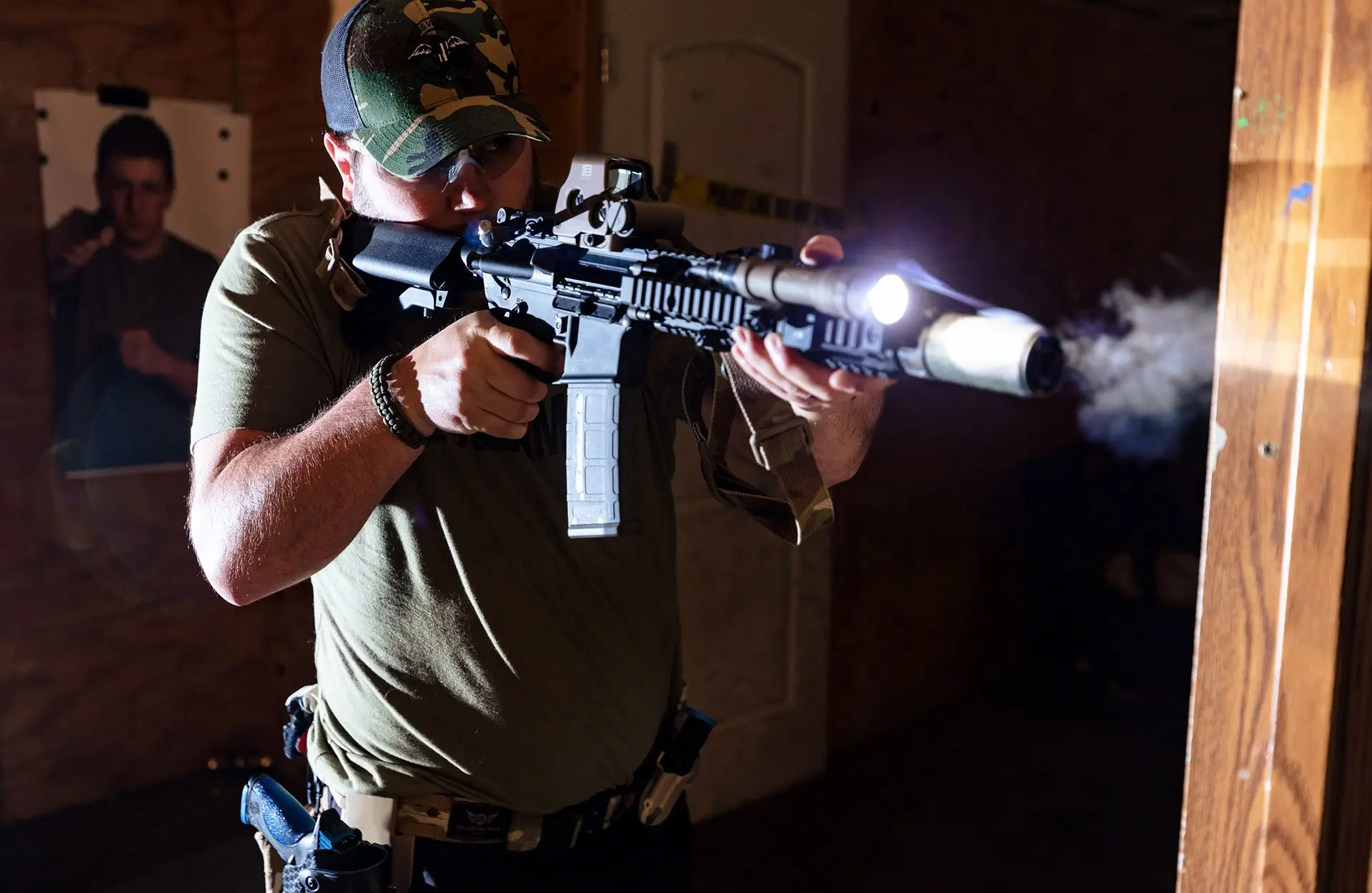
- Flashlight and weapon mounted lights
- Protective gear for Force-on-Force
- Large Cover up for role-playing
- Shield (Optional)
- Grey Group doesn't provide ammo or SIMS
Frequently Asked Questions (FAQS)
High Threat CQC Instructor Training is specifically designed around the realities of law enforcement operations, rather than military-driven CQB models that often rely on fixed tactics and controlled conditions. Law enforcement officers operate in unpredictable environments with limited personnel, incomplete information, and immediate time pressures, requiring a system that prioritizes adaptability over rigid execution.
This program is built on reality-based, behaviorally driven principles that account for how officers actually respond under stress. It emphasizes contact management, immediate action, and flexible decision-making, allowing officers to solve problems as they develop rather than follow pre-set patterns. The use of aggressive, limited penetration tactics enables officers to address threats from positions of advantage while minimizing unnecessary exposure and risk to bystanders.
Unlike traditional models that focus heavily on choreography and repetition, this system develops critical thinking, communication, and team integration through scenario-based training. It also places a strong emphasis on instructor development, ensuring participants can effectively teach and implement these principles within their own agencies. The result is a scalable, practical approach that aligns with the demands of modern law enforcement and SWAT operations.
Yes. Participants receive access to a comprehensive instructor package designed to support implementation within their agency. This includes a full student/instructor manual, PowerPoint presentations, in-service training objectives, low-light training materials, and additional reading resources.
These materials are structured to align with the course methodology, enabling instructors to deliver consistent, reality-based training and effectively integrate the system into their department’s existing programs.
negotiations, and tactical elements to safely resolve the situation.
This course is open to active law enforcement officers, military personnel, and qualified private security professionals. Participants should be currently serving in an operational role where CQC principles, structure clearing, and high-threat response are relevant to their mission.
Yes. Upon certification, you are authorized to teach this material within your own agency, including in-service training, SWAT teams, and specialized units.
However, this certification is intended for internal agency use only. Instructors may not use the material for personal or commercial gain, including starting a business, selling the material, or posting it online. Grey Group enforces strict usage agreements and waivers to ensure the integrity and controlled distribution of the program.
This program is led by instructors with real-world experience applying this system at the patrol level, within SWAT teams, and in overseas operations. Their background reflects direct operational use—not theory—across a wide range of high-threat environments.
These instructors have successfully implemented and evolved this methodology within their own agencies, shaping in-service training programs and specialized unit tactics. They bring practical, experience-driven insight to every aspect of the course, with the depth of knowledge to address operational, tactical, and instructional challenges.
Despite their experience, the instructors maintain a grounded and professional approach—ensuring participants understand not just how to perform the techniques, but why they work. They actively provide context, examples, and additional guidance to ensure the material is fully understood and applicable in real-world settings.
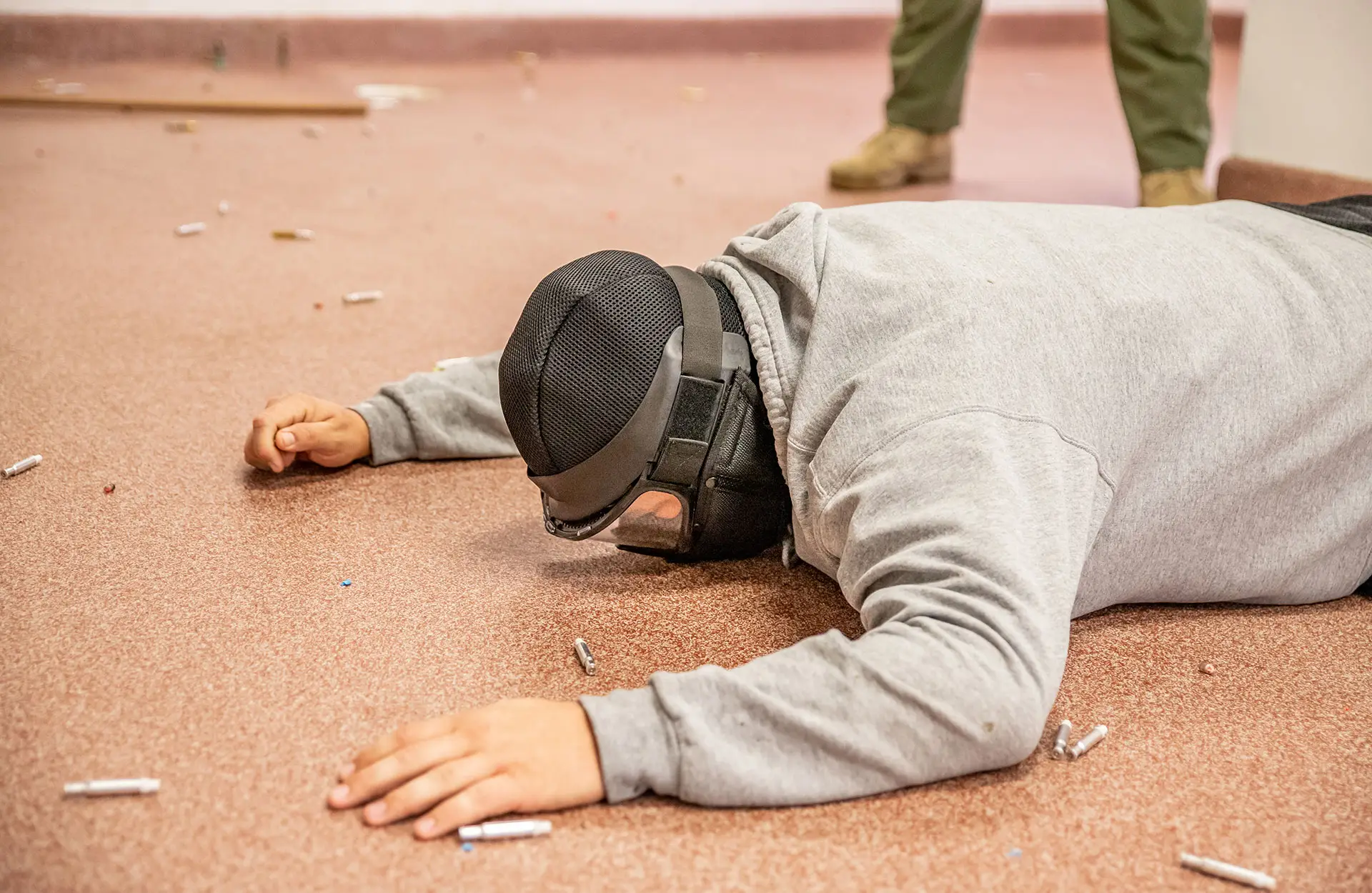
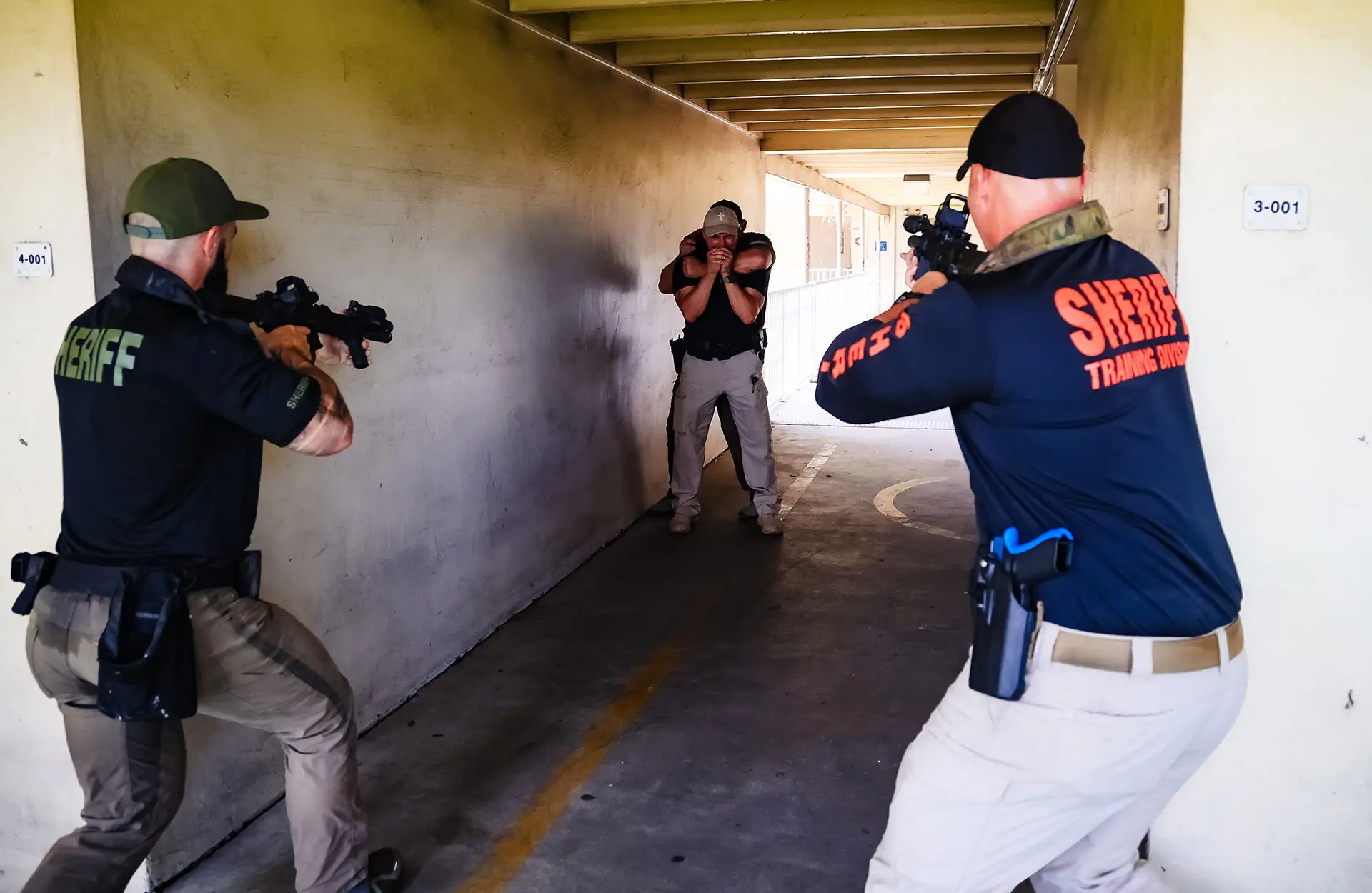
Yes. The course includes force-on-force scenarios using role players and simulation tools, ensuring students can apply skills in realistic, high-pressure environments.
Yes. Grey Group hosts training at agency locations, reducing travel costs and increasing relevance by training within your real-world environment and team structure.
Please email contact@greygroupsecurity.com.